In this guide
The fabric decides how your sofa feels in June, how it looks after a year of family use, and how much time you spend cleaning it. In Pakistan we also deal with dust, heat, humidity and plenty of chai — so the “most beautiful” fabric is not always the right one. This guide compares the most common sofa fabrics honestly.
In short
- Families with kids: performance polyester or microfibre in a medium colour.
- Hot rooms without AC: cotton–linen blends breathe best.
- Luxury drawing rooms: velvet or genuine leather.
- Offices and easy cleaning: leatherite (faux leather) — but keep it out of direct sun.
Sofa fabrics compared
| Fabric | Comfort in summer | Durability | Cleaning | Best for |
|---|---|---|---|---|
| Velvet | Warm | Good | Vacuum often; shows marks | Formal drawing rooms |
| Cotton / linen blend | Cool, breathable | Medium | Can stain; wrinkles | Relaxed living rooms |
| Polyester / microfibre | Medium | High | Easy; resists stains | Family TV lounges |
| Leatherite (PU / faux leather) | Warm, can feel sticky | Medium | Very easy to wipe | Offices, waiting areas |
| Genuine leather | Adapts to temperature | Very high | Wipe; condition yearly | Long-term luxury |
Velvet: rich and formal
Velvet has a soft pile that catches light, making colours look deep and luxurious. It suits drawing rooms where guests sit more than kids play. Modern polyester velvets are far more durable than old cotton velvets, but they still collect dust — vacuum weekly with a soft brush.
Cotton and linen blends: cool and natural
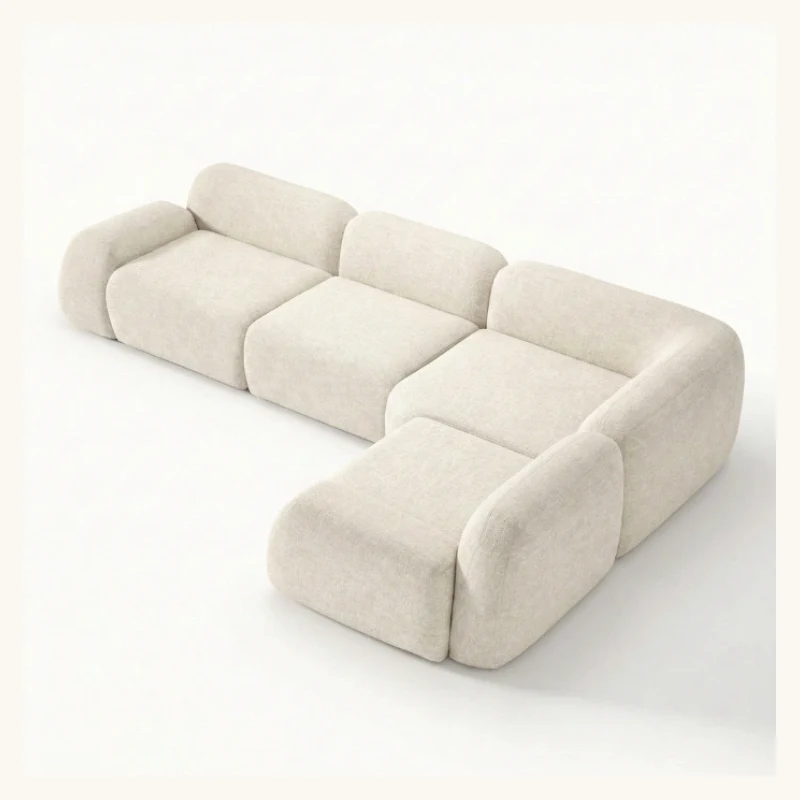
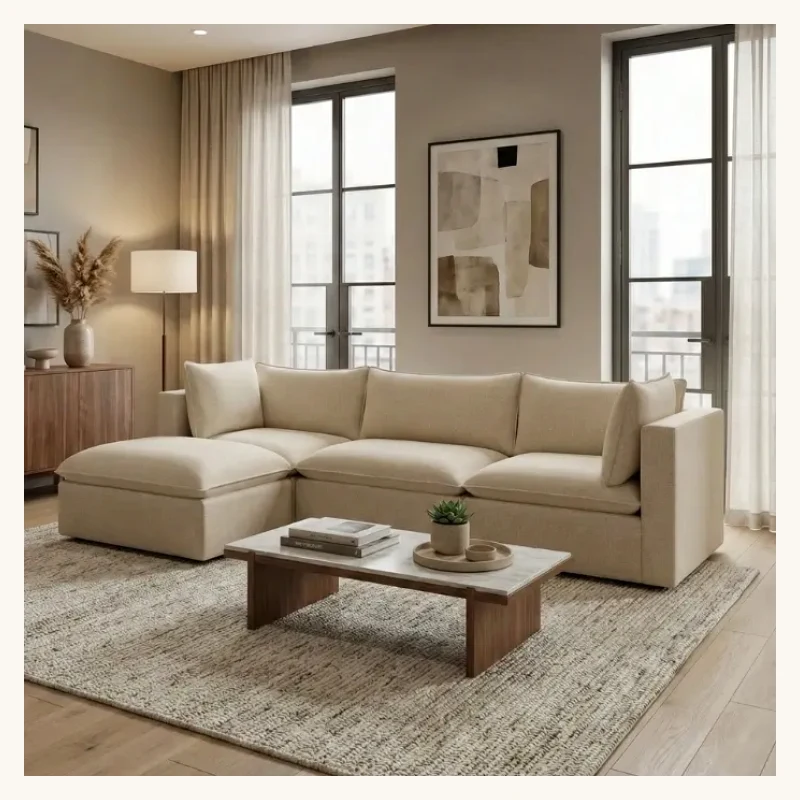
Natural fibres breathe, so they stay cooler in summer — a real benefit in rooms that are not air-conditioned all day. The downside is that they absorb spills quickly and wrinkle. Choose a blend with some polyester for extra strength, and pick removable cushion covers if possible.
Polyester and microfibre: the family choice
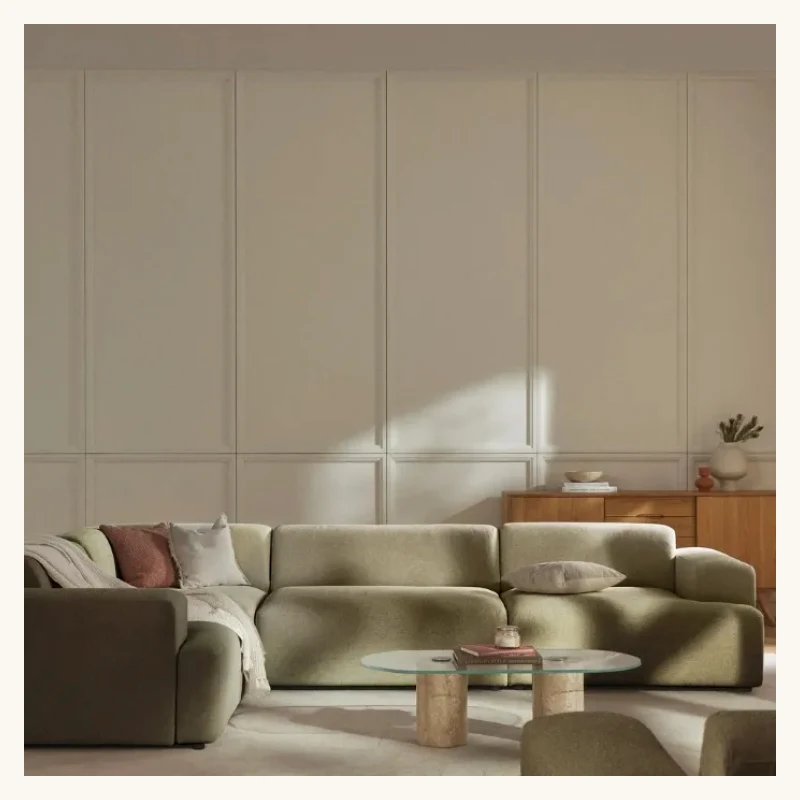
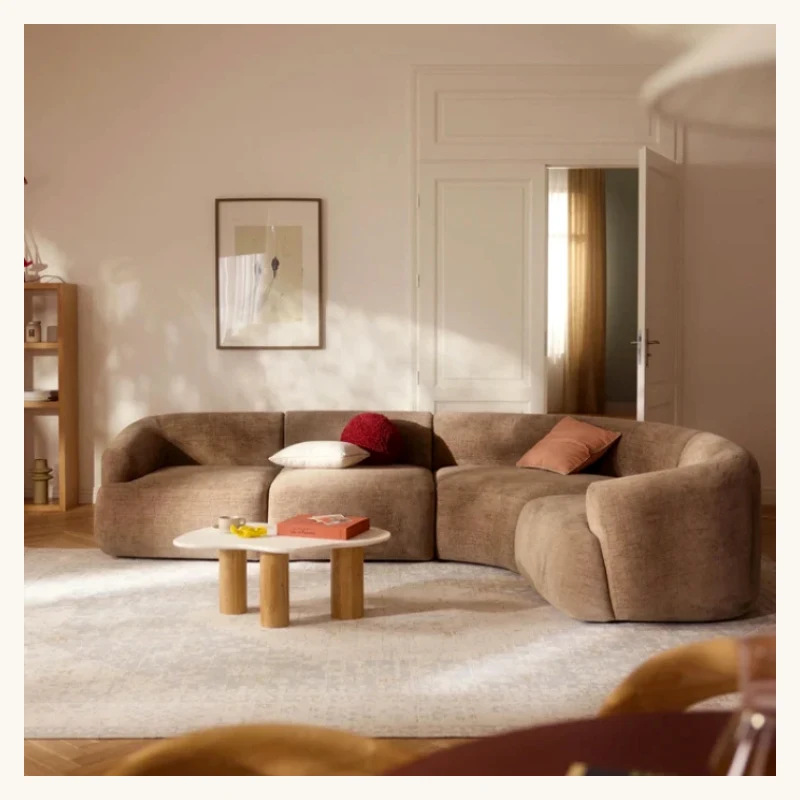
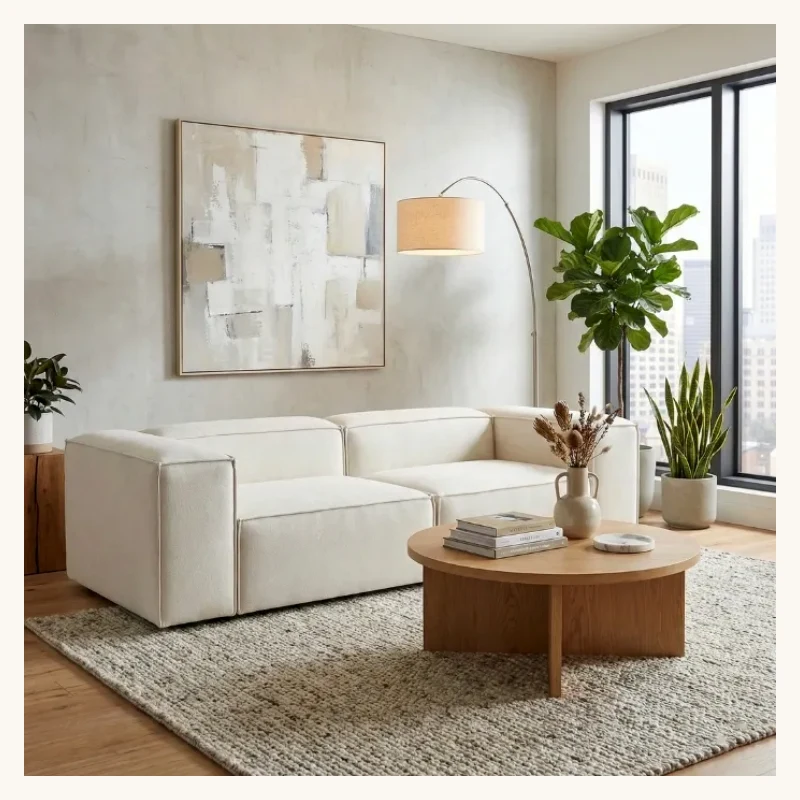
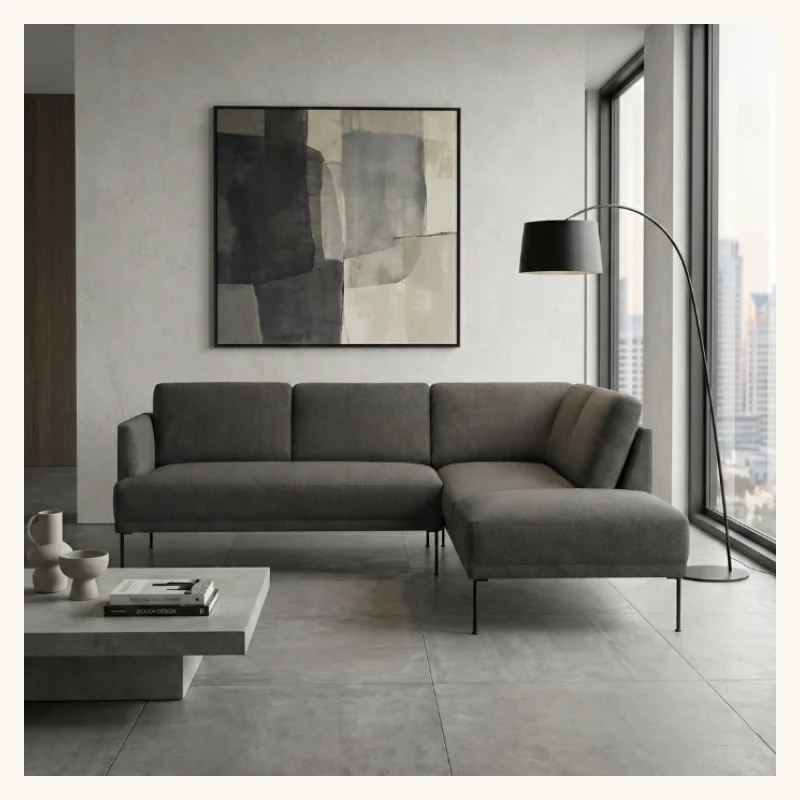
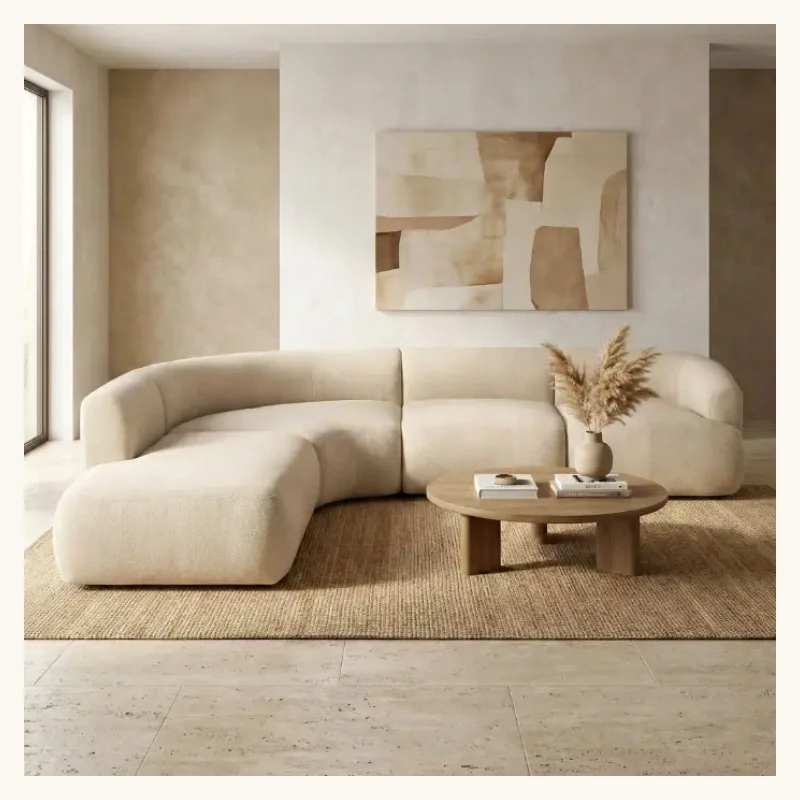
These synthetic fabrics are tightly woven, so spills sit on the surface long enough to blot away. They resist fading and pilling and are usually the best value. For homes with children, choose a mid-tone colour such as beige-grey, olive or taupe — light enough to feel fresh, dark enough to hide daily wear.
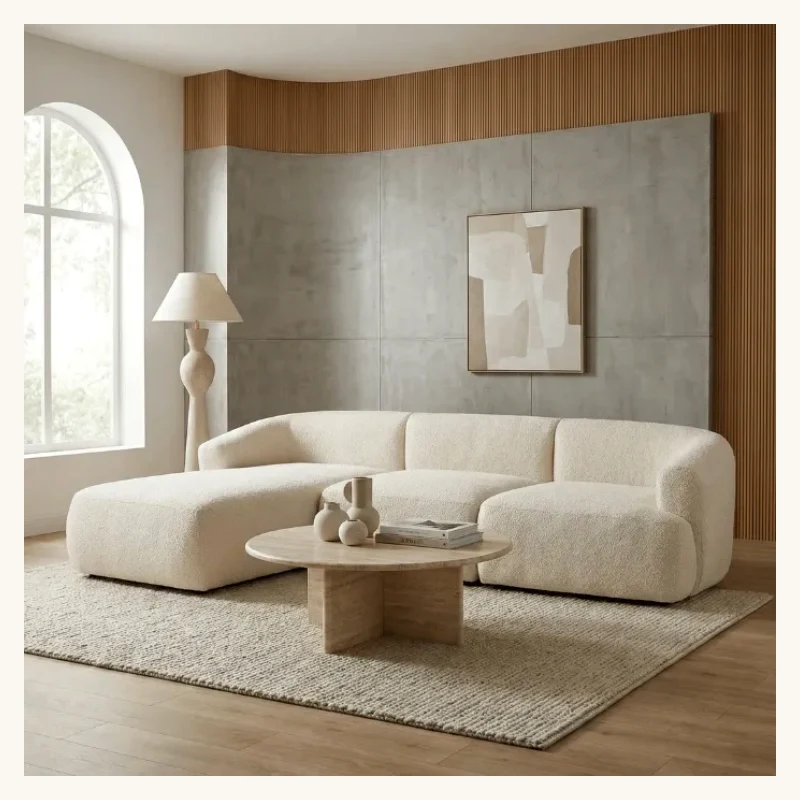
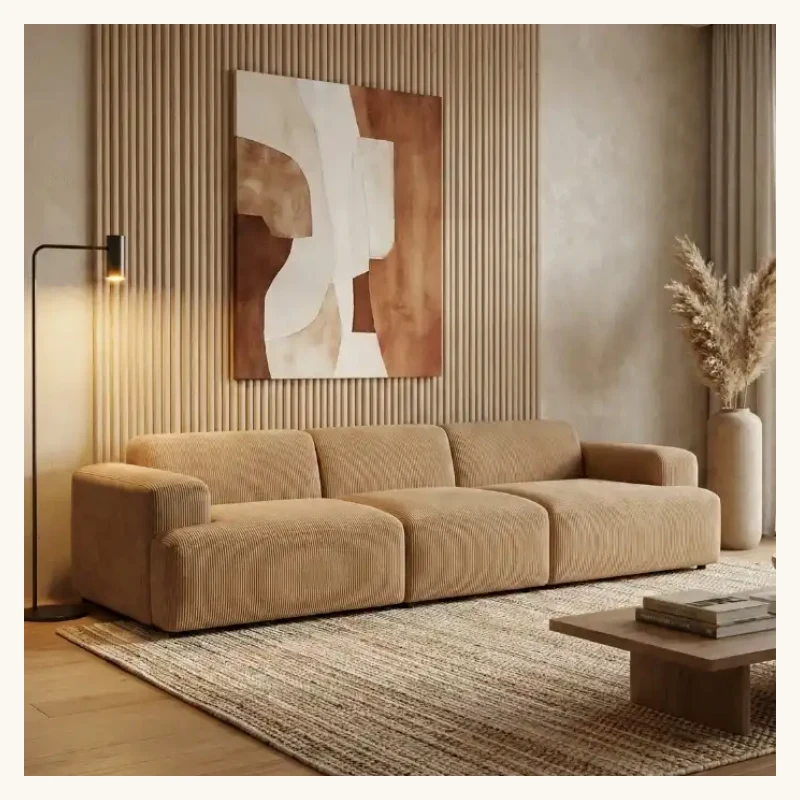
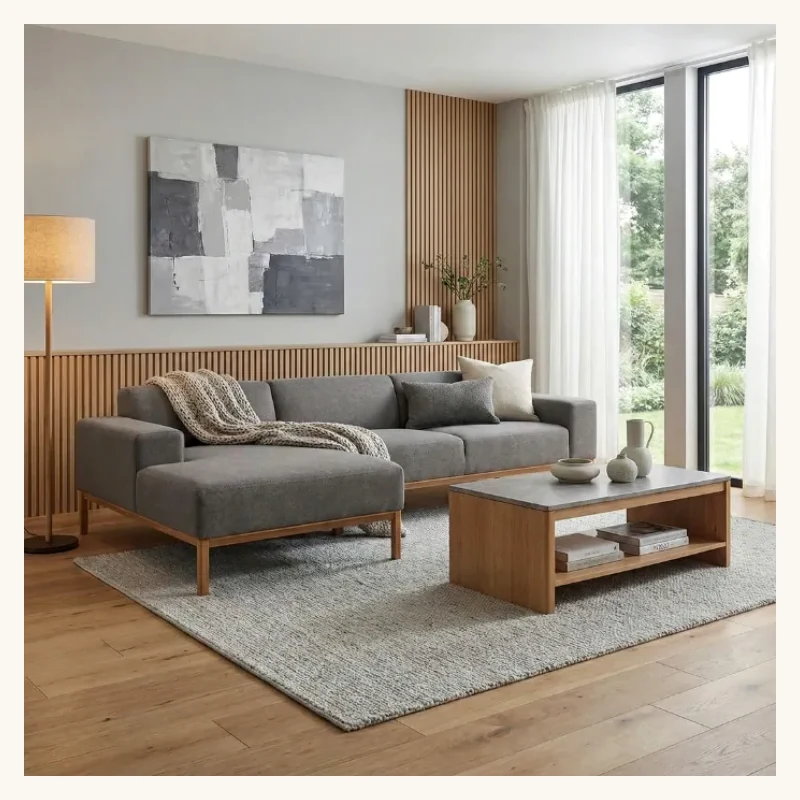
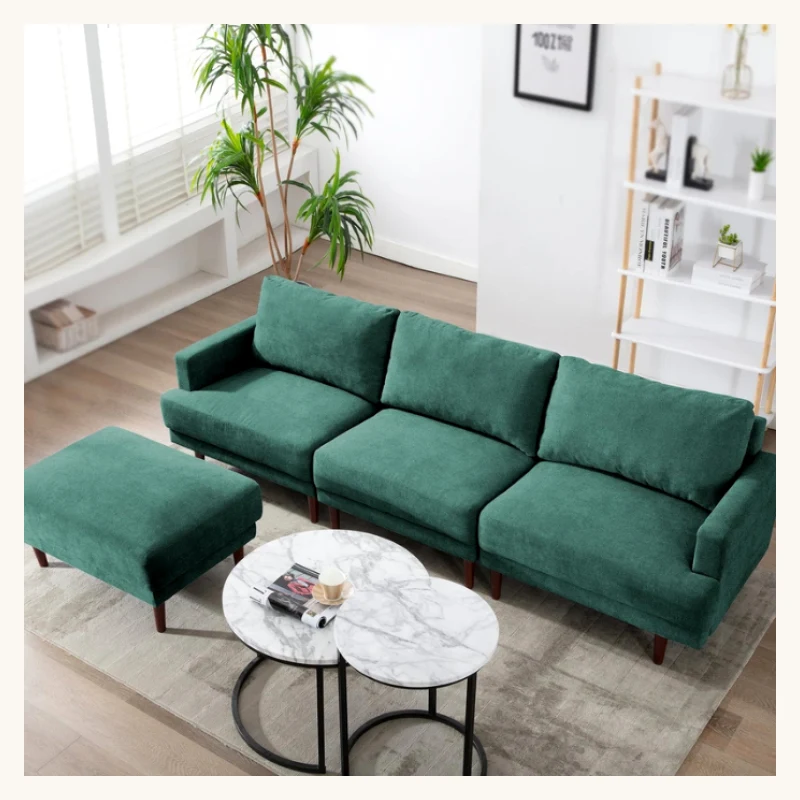
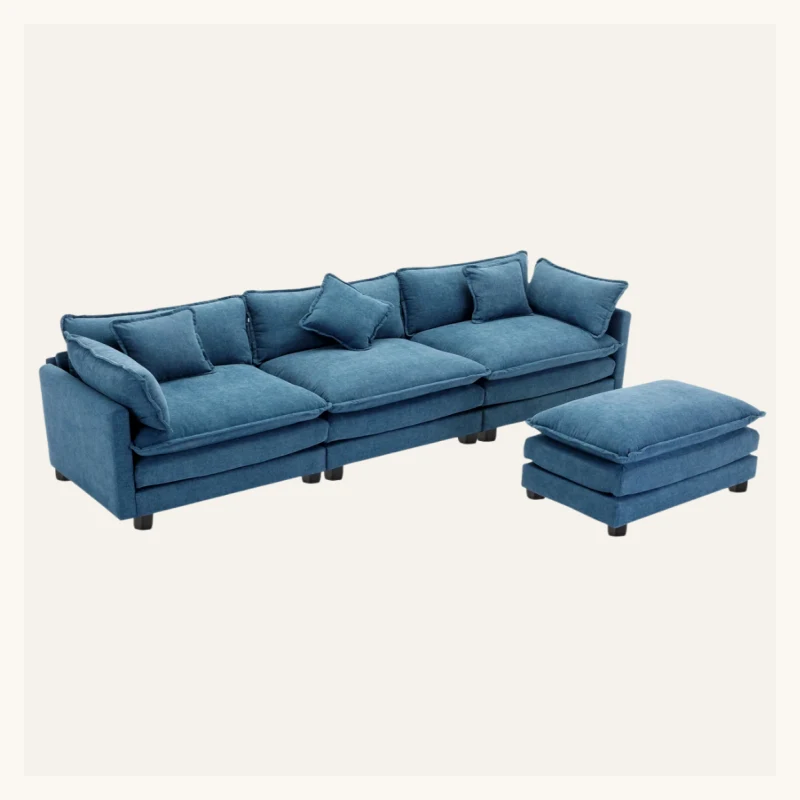
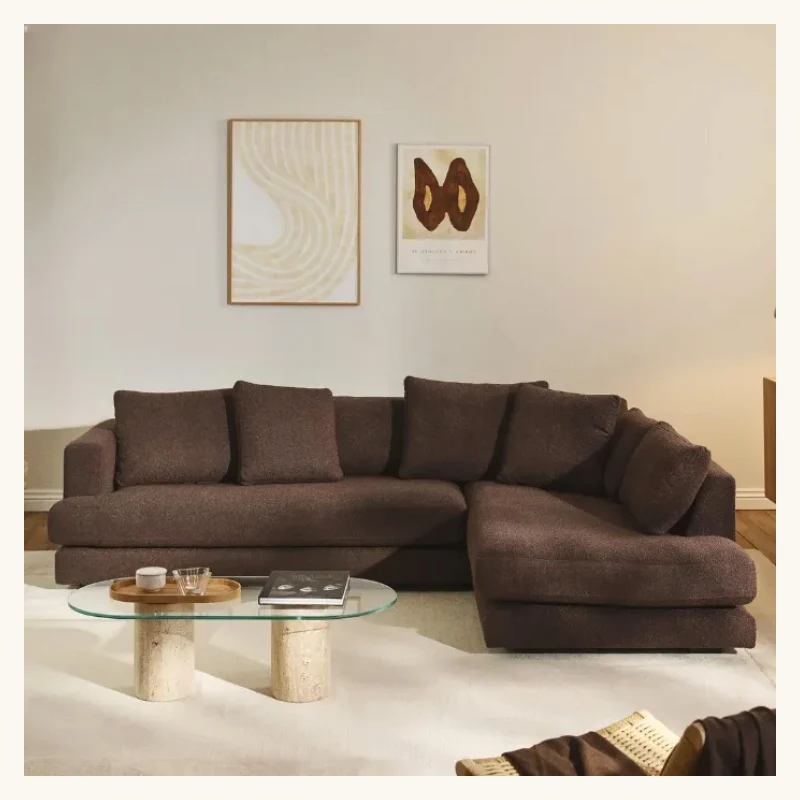
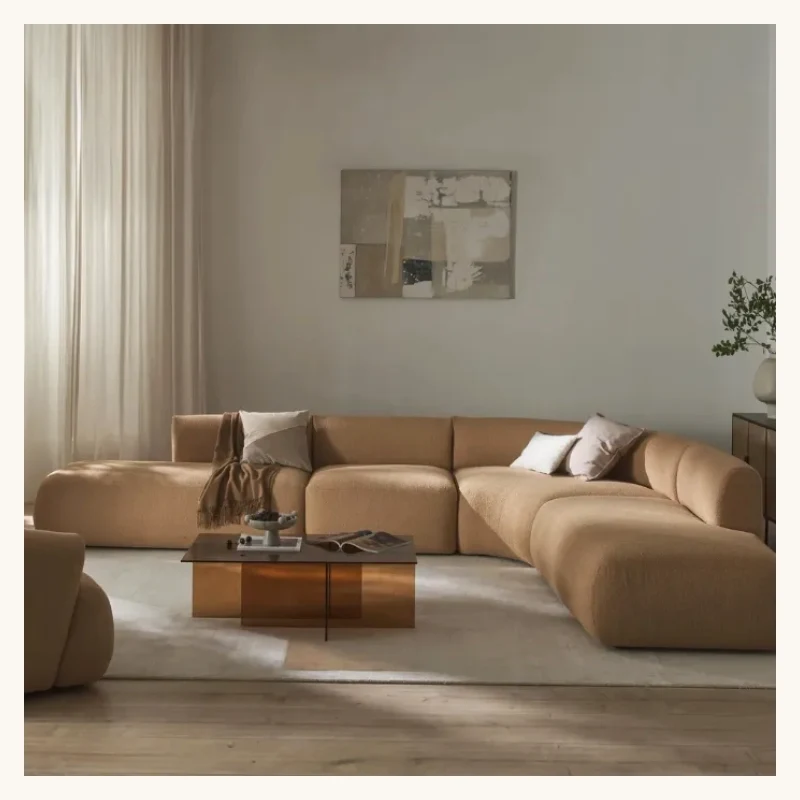
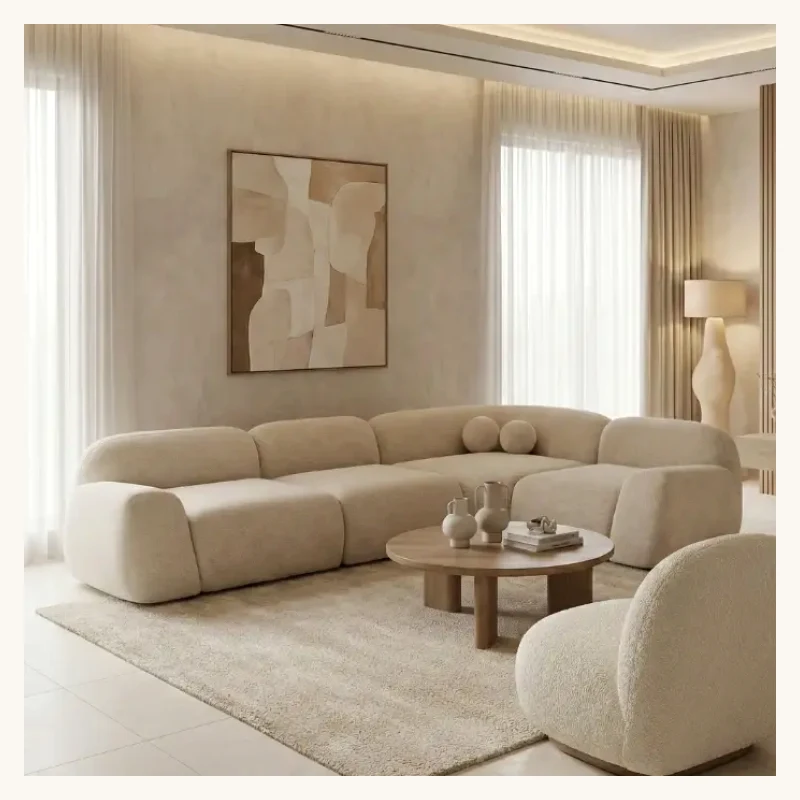
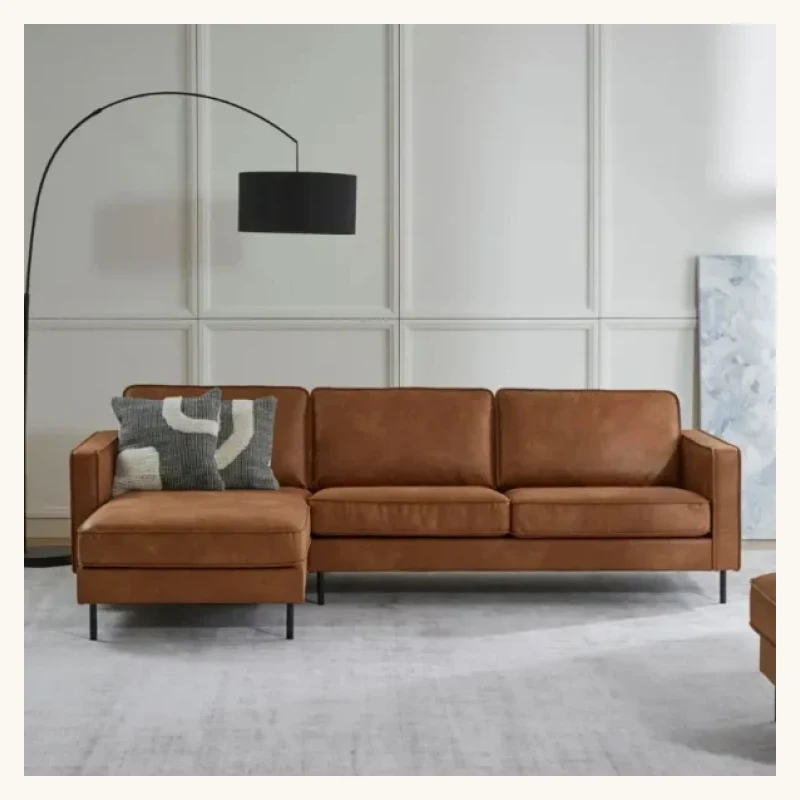
Fabric sofas for everyday family life
-13% Featured
Featured
-22% Featured
-11%
-17%
-11%
-8%
Leather vs leatherite
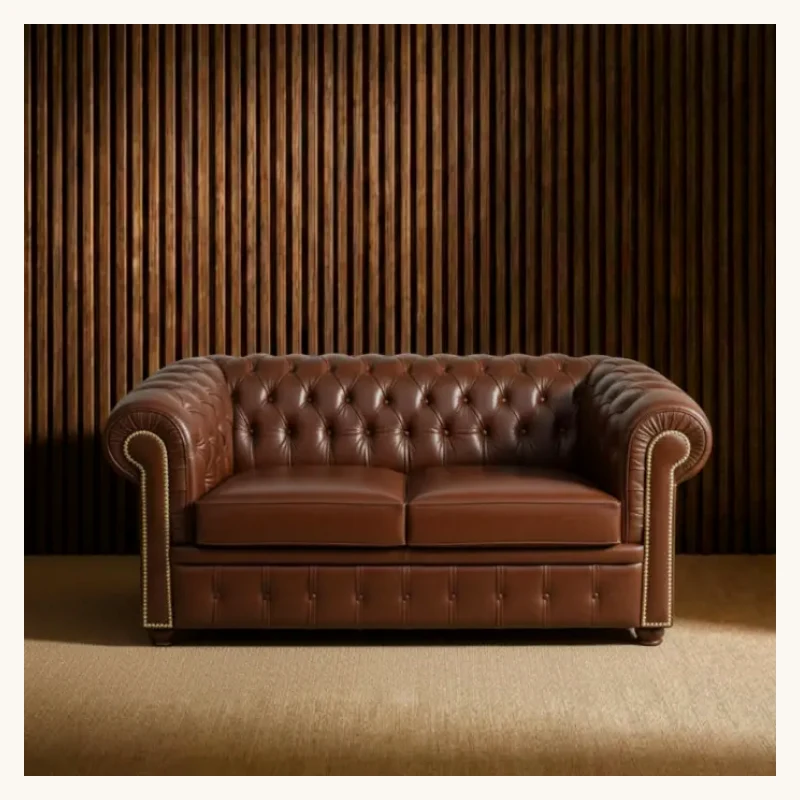
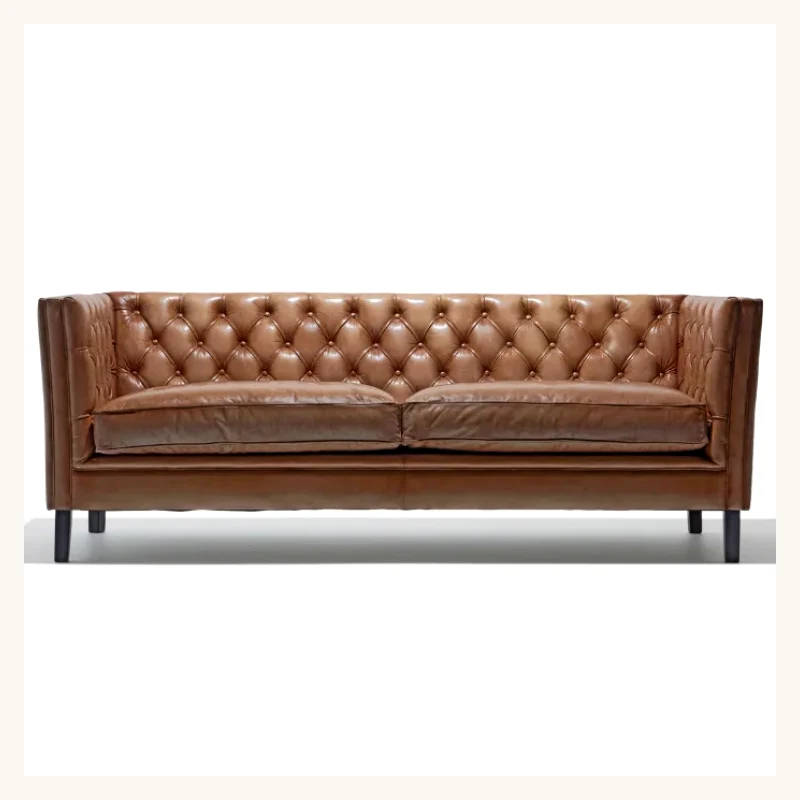
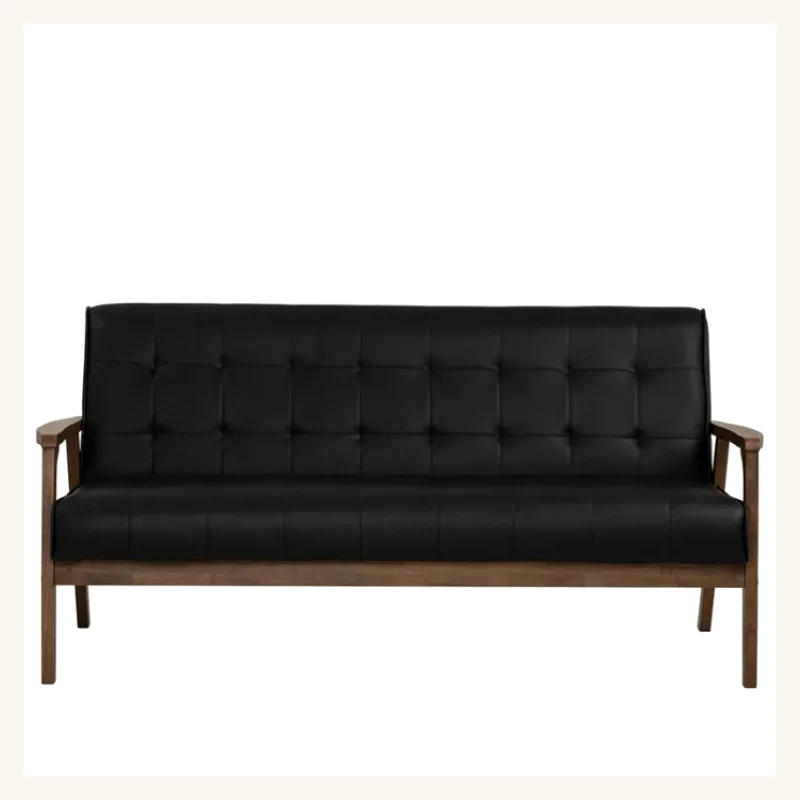
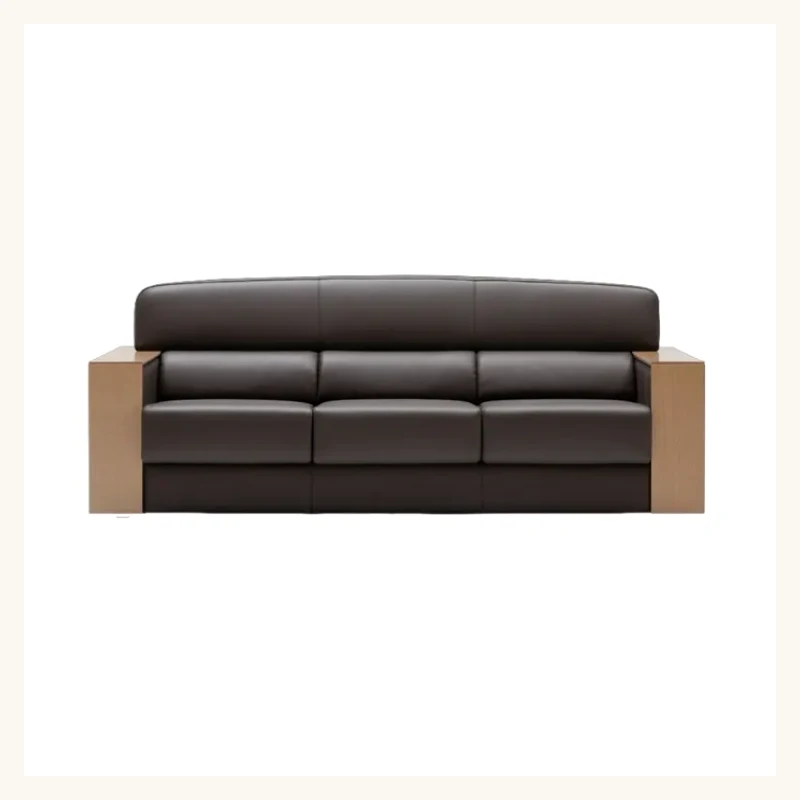
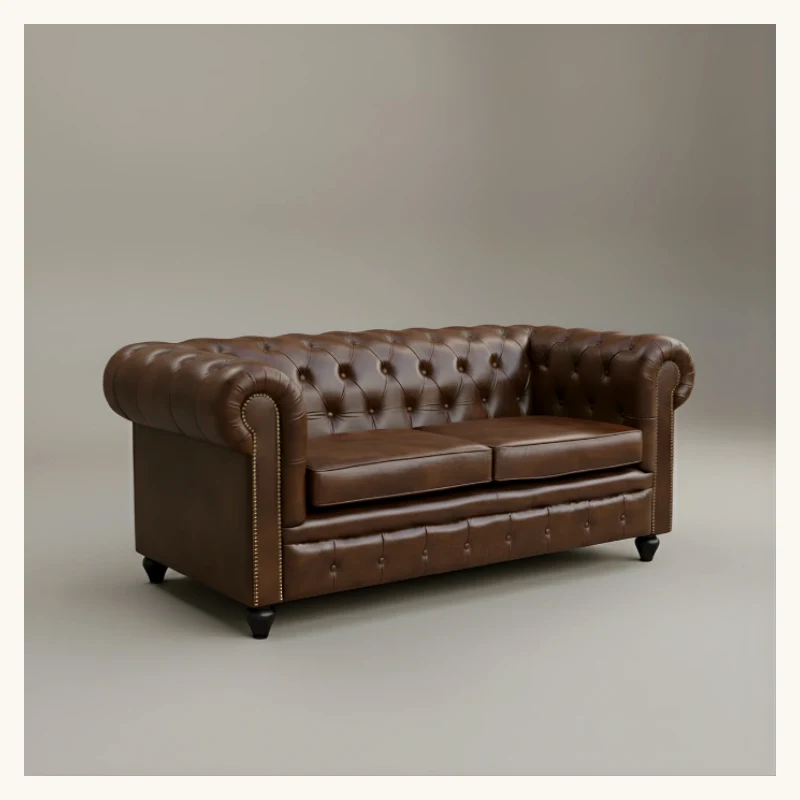
Genuine leather is a natural material that gets better with age, handles daily use for many years and is easy to wipe clean. It needs conditioning once or twice a year so it does not dry out. Leatherite (PU or faux leather) looks similar at a lower price and is very easy to clean, but in strong heat and direct sunlight it can crack or peel after a few years. Keep it away from windows and heaters. Read more in our leather and Chesterfield sofa guide.
How to test a fabric before you buy
- Rub count: ask for the Martindale rub count — 15,000+ is fine for light use, 25,000+ for busy family sofas.
- The water test: a drop of water on a sample should bead for a few seconds, not soak in instantly.
- Colour in daylight: look at swatches near a window; shop lighting changes colours.
- Feel the backing: a firm woven backing means the fabric will hold its shape.
Caring for your sofa fabric
Vacuum weekly, rotate and fluff cushions, blot spills immediately (never rub), and keep sofas out of strong direct sunlight to prevent fading. For a full routine, see our furniture care guide. Ready to choose? Start with our sofa buying guide or browse all sofas.
Frequently asked questions
Which sofa fabric is best for hot weather?
Cotton and linen blends are the most breathable and stay cooler in summer. Polyester blends are a good middle ground if you also need easy cleaning.
Is velvet a good choice with kids?
Modern polyester velvet is fairly durable, but it shows marks and collects dust. With young children, a performance polyester or microfibre is easier to live with.
Does leatherite last in Pakistan?
Leatherite is easy to clean but can crack or peel in strong heat and sunlight after a few years. Keep it away from windows and heaters, or choose genuine leather for long-term use.
Need help choosing?Send us your room size on WhatsApp — free advice from our furniture team.
Ask an Expert →