In this guide
A sofa is the centre of family life — guests, chai, cricket matches and afternoon naps all happen there. It is also one of the bigger furniture purchases you will make, so it is worth choosing carefully. Follow these steps and you will end up with a sofa that fits your room, your family and your budget.
Before you shop
- Measure the wall and mark the sofa size on the floor with tape.
- Leave 30–36 inches of walking space in front.
- Decide: 3+2+1 set, L-shape or modular.
- Pick a fabric that suits your family (see our fabric guide).
Step 1: Measure the room and the doors
Measure the wall where the sofa will sit, and the distance to the TV or opposite seating. Then measure every door, corridor and stair turn on the way in. Most sofas arrive assembled or in large sections, so a narrow entrance can be a problem.
| Sofa type | Typical width | Typical depth |
|---|---|---|
| 1-seater / armchair | 30–40″ | 30–38″ |
| 2-seater | 55–65″ | 32–38″ |
| 3-seater | 75–90″ | 32–40″ |
| L-shape / sectional | 90–120″ per side | 34–40″ |
Step 2: Choose the layout
3+2+1 sofa set
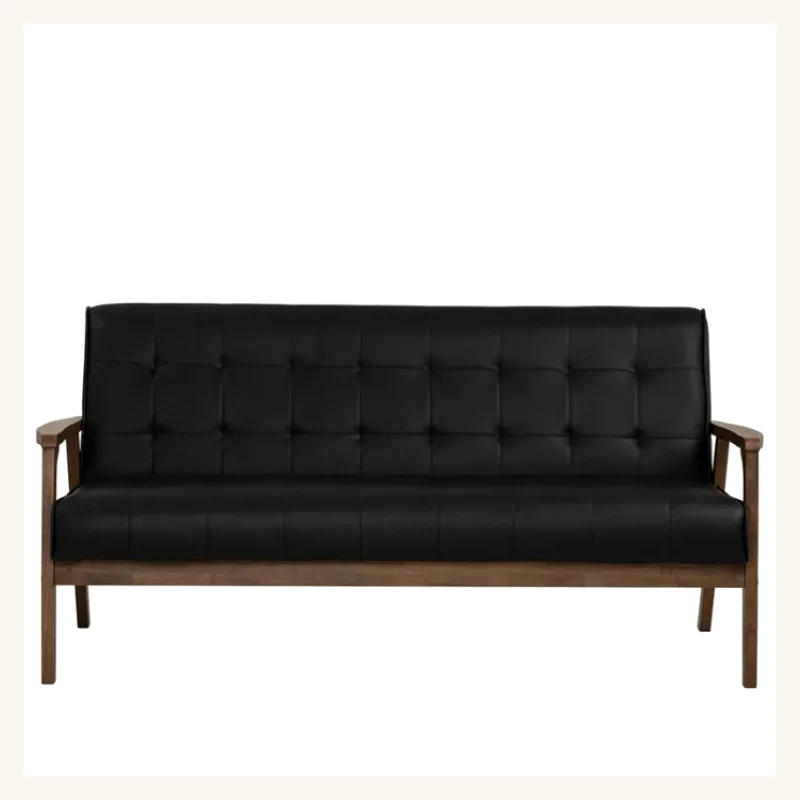
The classic Pakistani drawing room layout — a 3-seater, 2-seater and single chair arranged around a centre table. It seats six and works well for formal guests.
L-shaped sofa
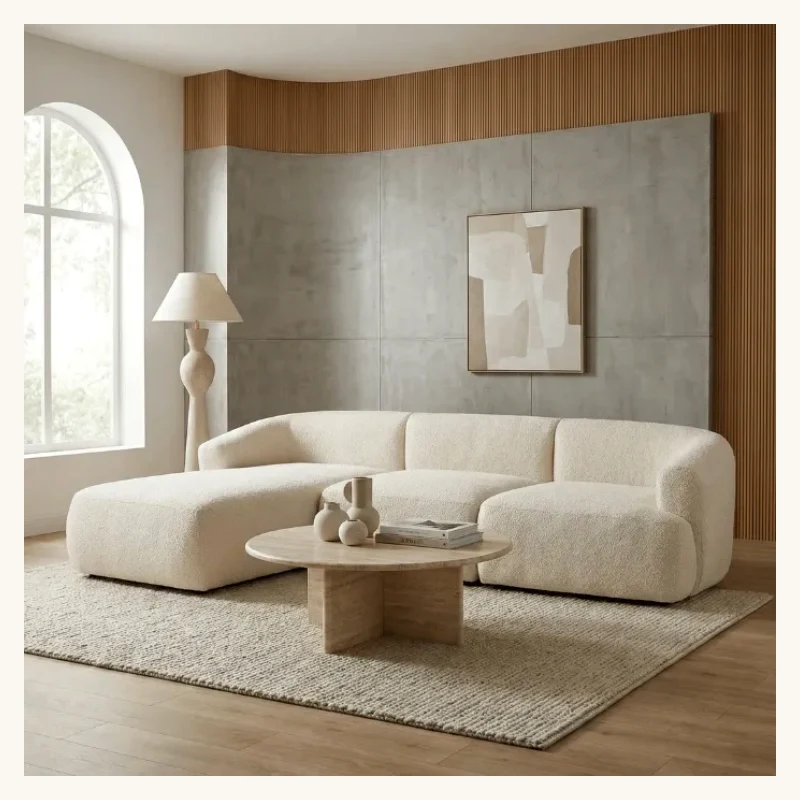
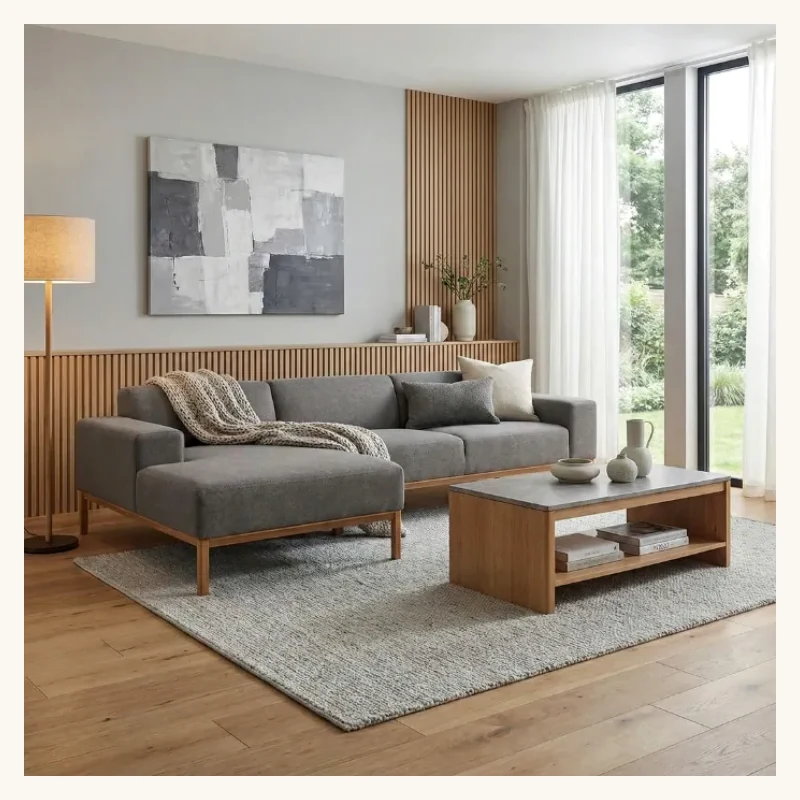
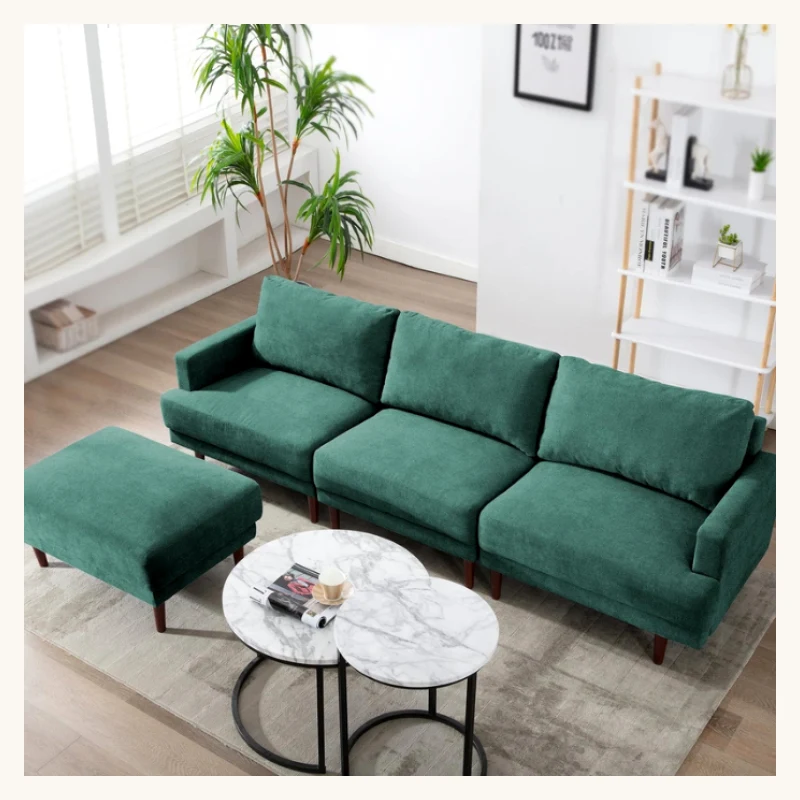
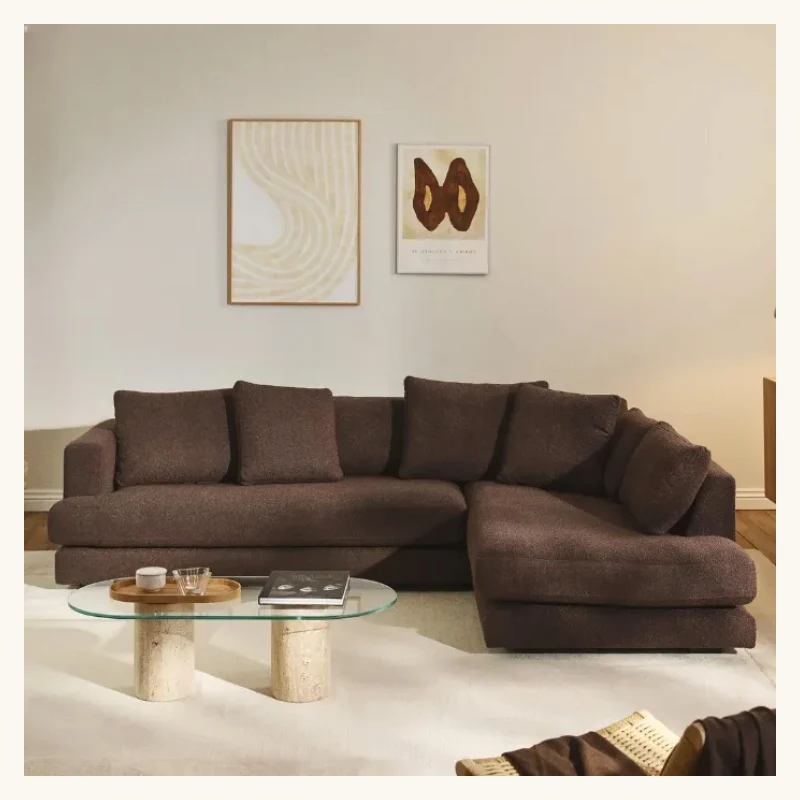
Fits neatly into a corner and seats more people on less floor space. Perfect for TV lounges and open-plan apartments. See our full L-shaped sofa guide.
Modular sofa
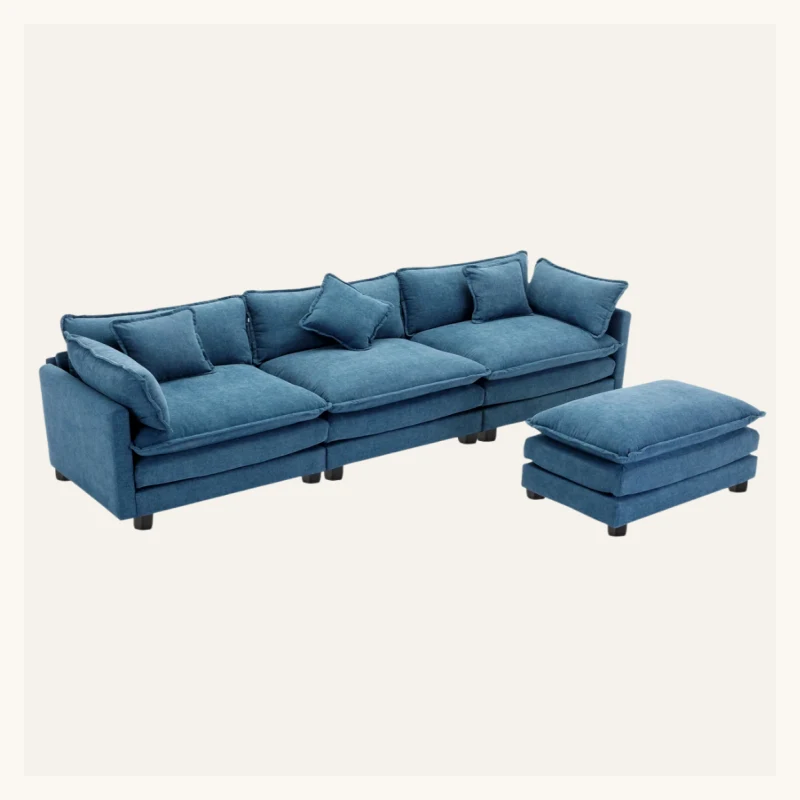
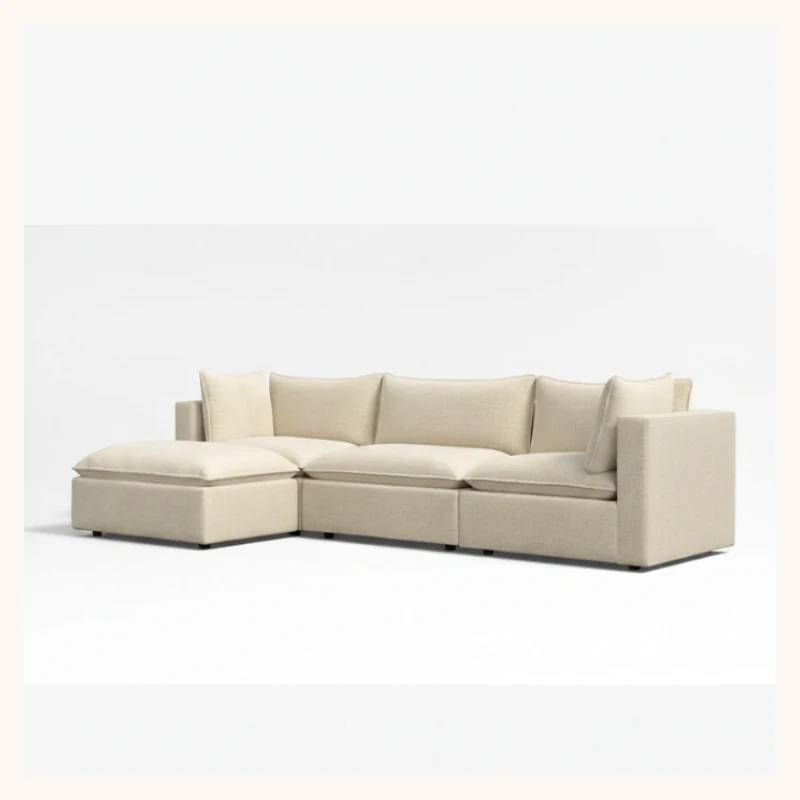
Separate pieces that you can rearrange — a long sofa today, an L-shape when you move house. Great for growing families.
Step 3: Check the comfort
- Seat depth: 20–22 inches suits upright sitting; 24 inches or more is better for lounging.
- Seat height: around 17–19 inches; lower feels relaxed but is harder for elders to stand up from.
- Foam: high-density foam keeps its shape for years; soft foam alone flattens quickly.
- Back support: firm back cushions are better for long sitting; loose scatter cushions add softness.
If elderly parents live with you, choose a firmer seat at standard height with sturdy arms to push up from.
Popular sofas right now
Featured
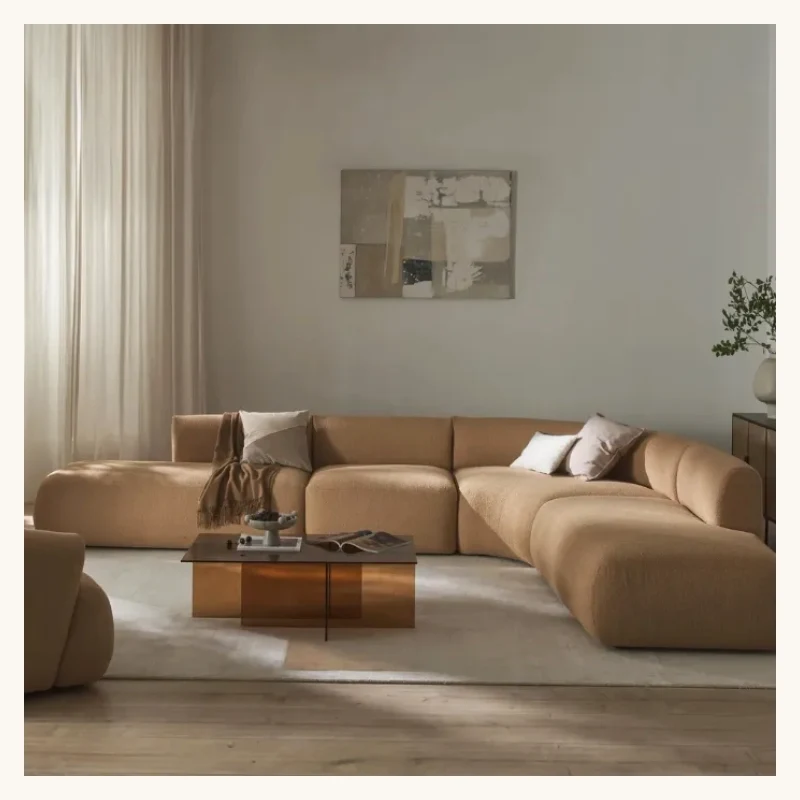
-22% Featured
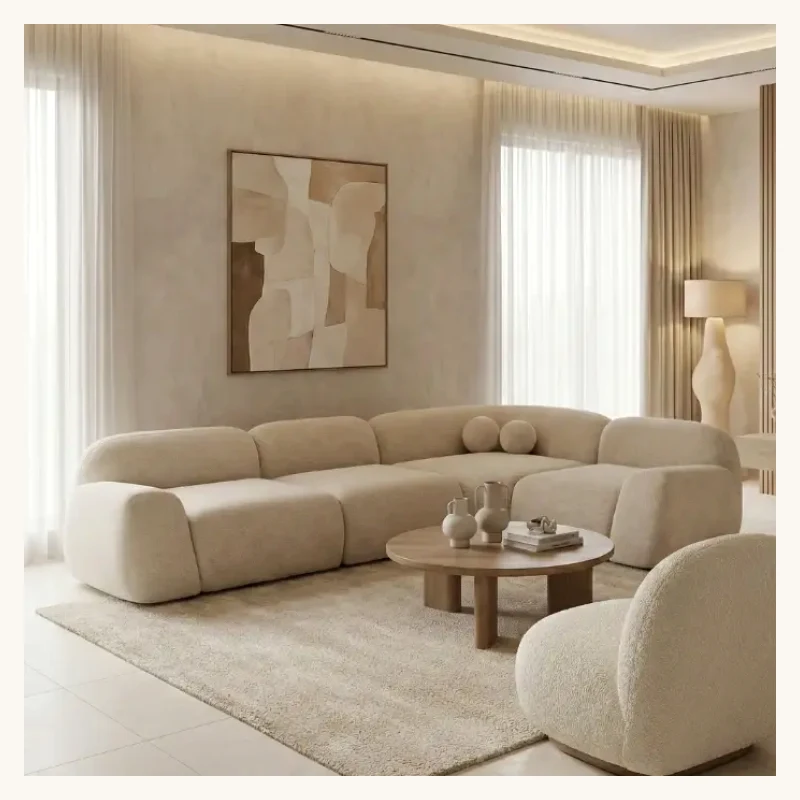
-11% Featured
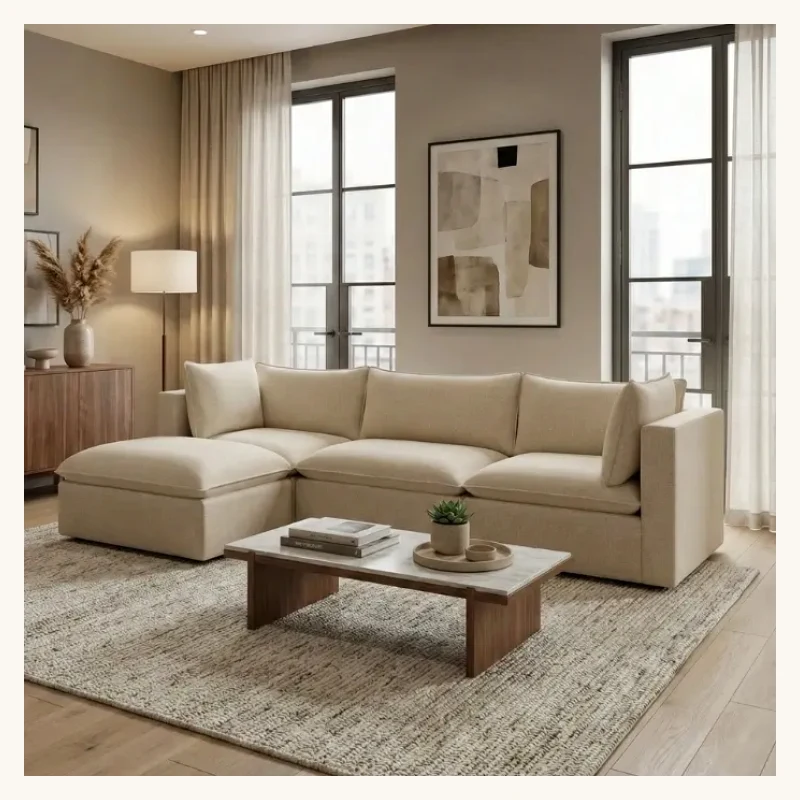
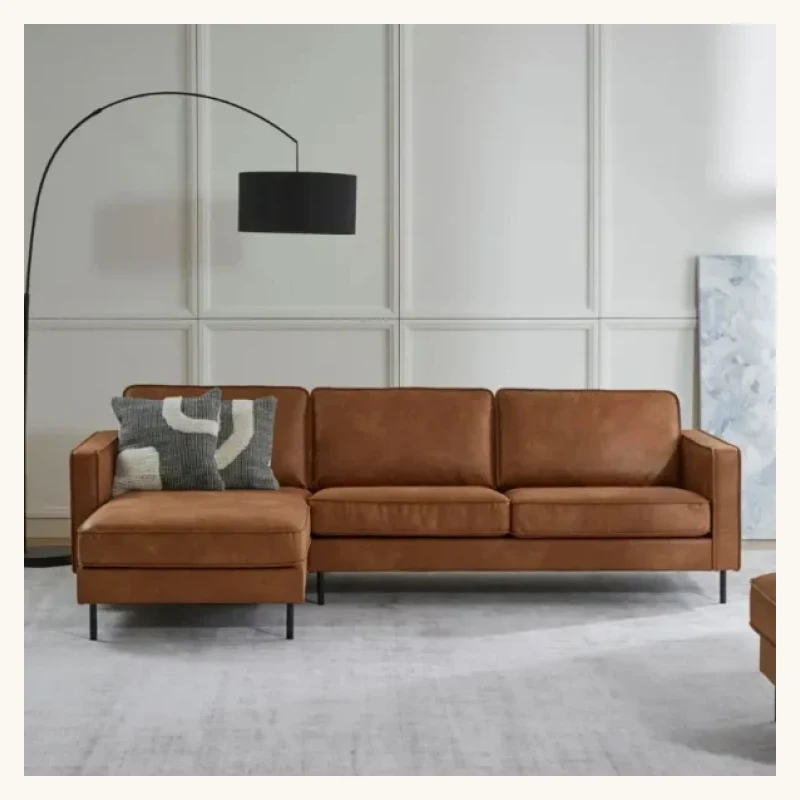
-11%
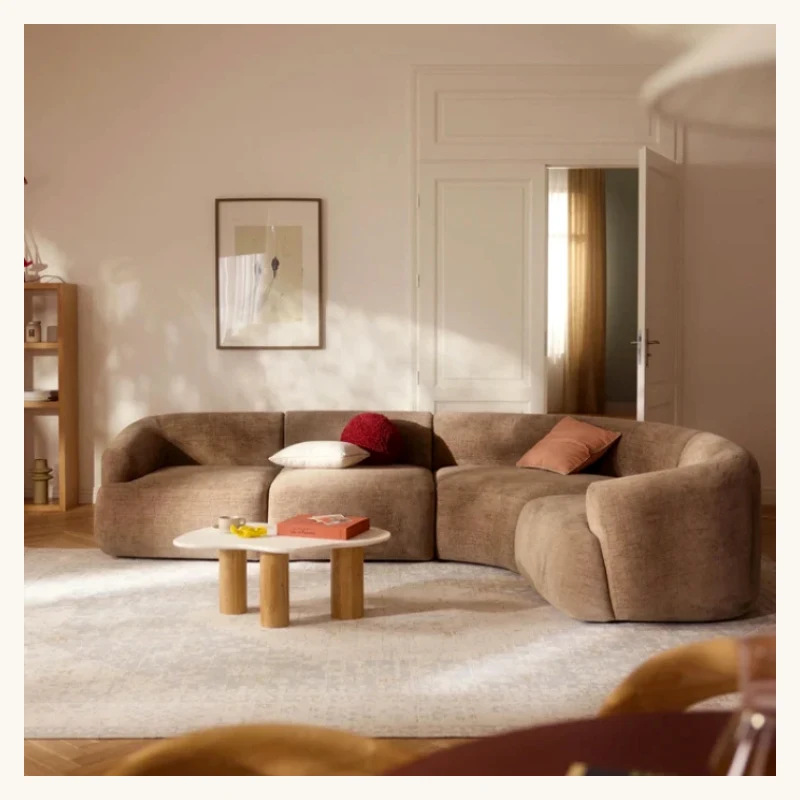
-17%
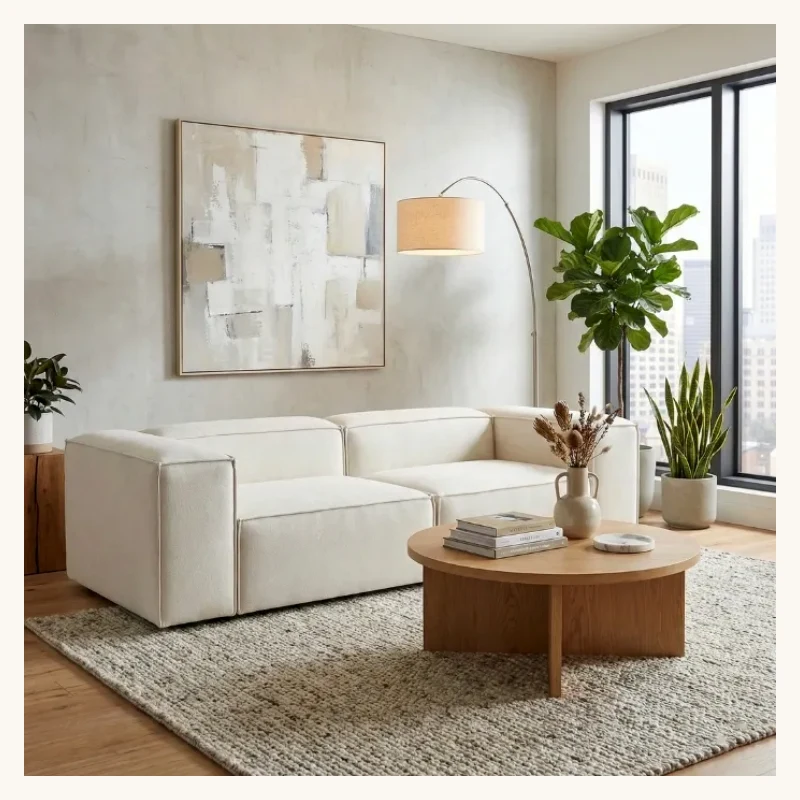
-11%
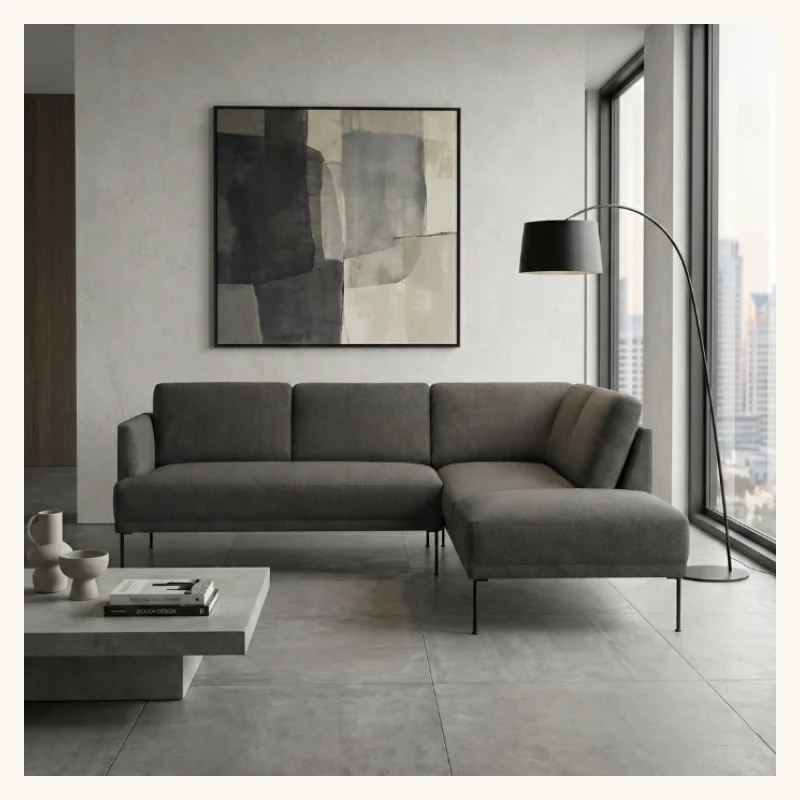
-8%
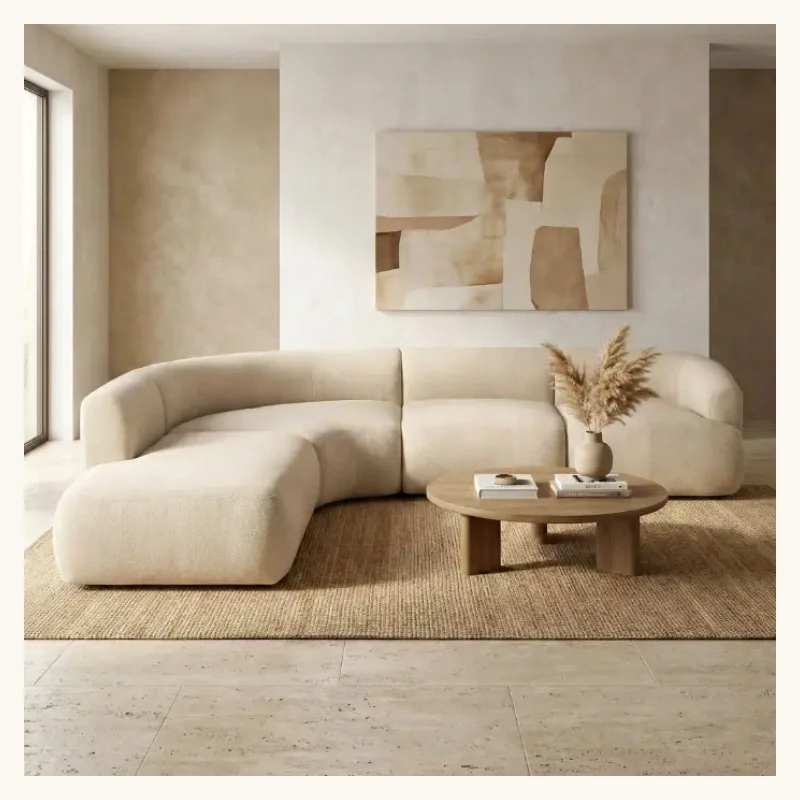
Step 4: Look inside — the frame
The frame decides how long the sofa lasts. Ask for a seasoned solid wood frame with joints that are glued and screwed or dowelled. Lift one corner of the sofa: if the other front leg lifts quickly too, the frame is rigid; if it twists, the frame is weak.
Step 5: Choose fabric and colour
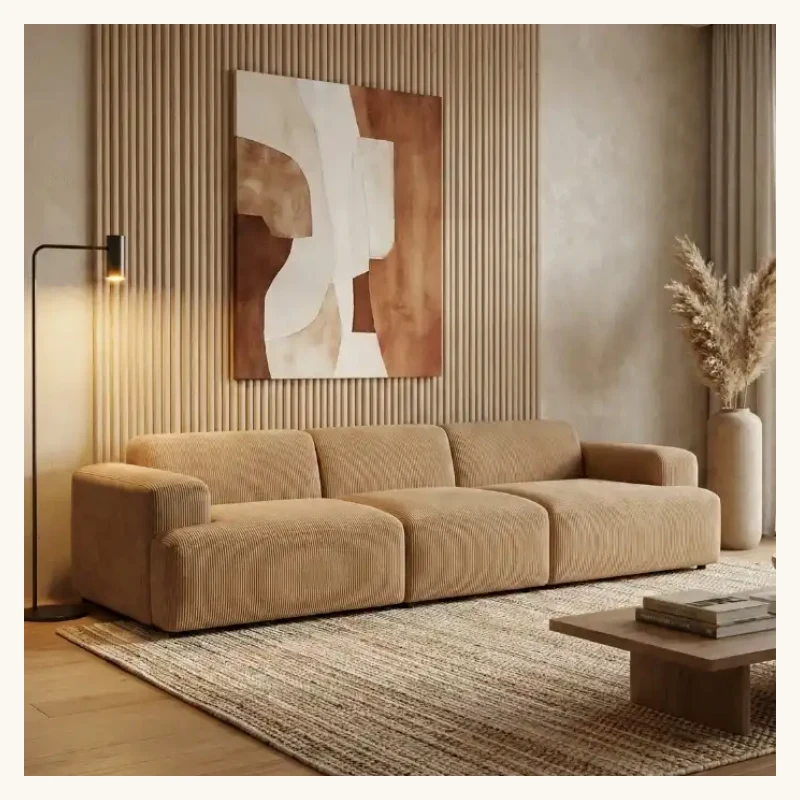
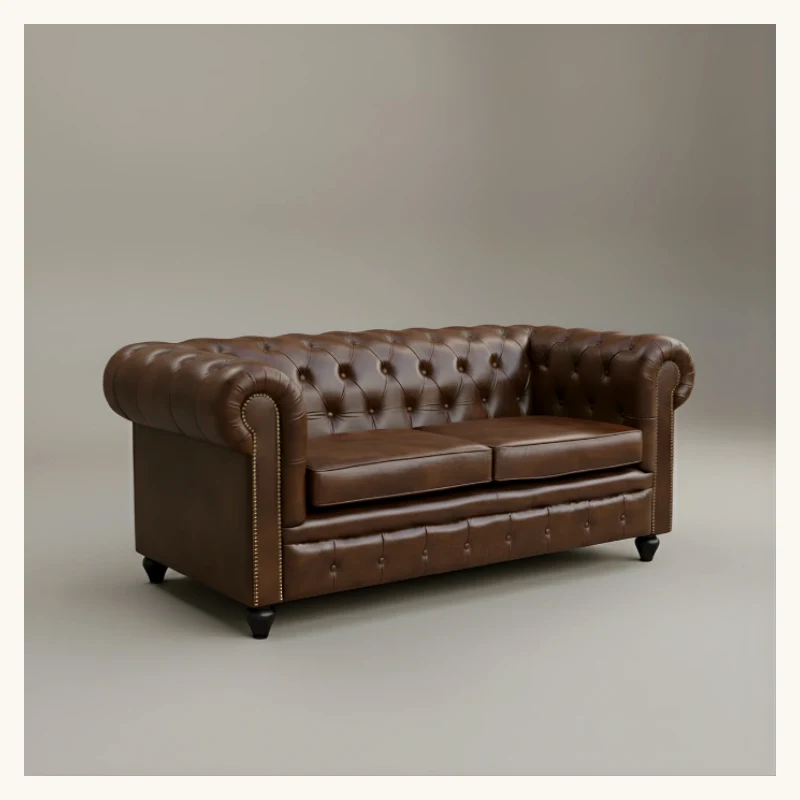
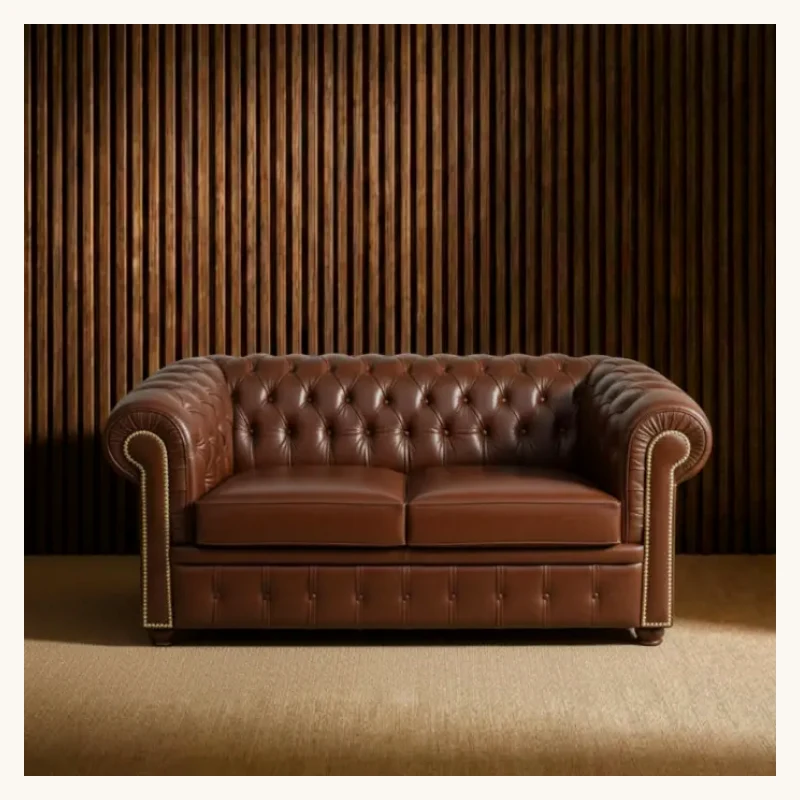
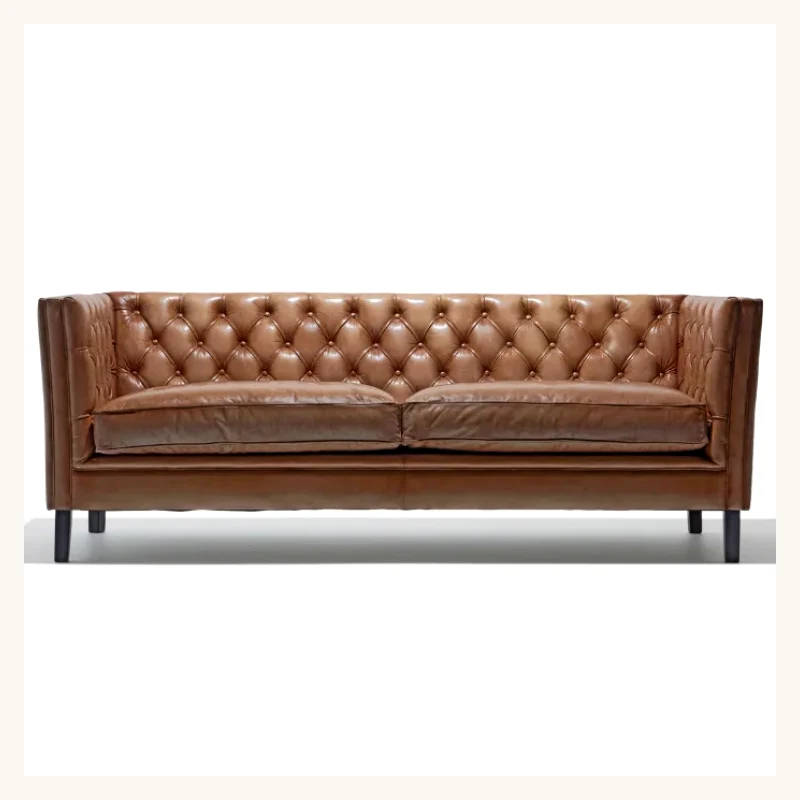
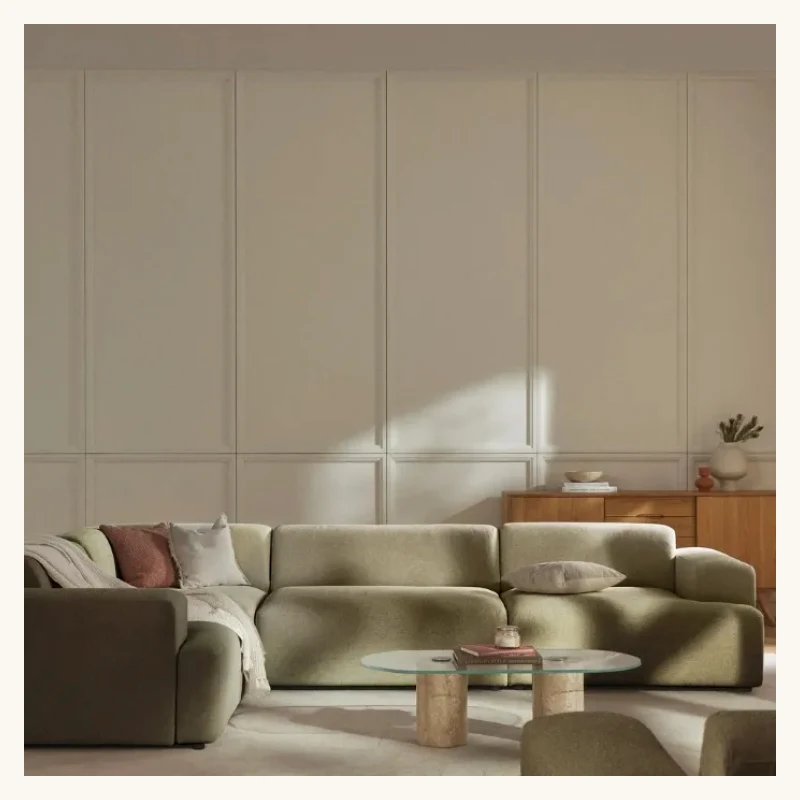
Medium tones such as beige, grey-taupe, olive and rust hide everyday marks better than pure white or black. For homes with kids, pick a stain-resistant polyester or microfibre. For formal rooms, velvet and leather look rich. Compare them in our sofa fabrics guide.
Step 6: Complete the room
A centre table should be about two-thirds the length of the sofa and 16–18 inches away from it. Add a side table at each end for lamps and cups, and a rug large enough for the front legs of the sofa to rest on. Our living room layout guide shows complete arrangements for different room sizes, or shop a complete living room in one go.
Frequently asked questions
What size sofa do I need for a drawing room?
For a typical 12 × 14 ft drawing room, a 3+2+1 set or a 3-seater plus two armchairs fits comfortably while leaving 30–36 inches of walking space.
Which is better, an L-shape or a 3+2+1 set?
An L-shape seats more people in less space and suits TV lounges. A 3+2+1 set is more flexible and formal, and suits drawing rooms where guests sit facing each other.
How long should a good sofa last?
A sofa with a seasoned solid wood frame and high-density foam can last 10–15 years; cushions may need refilling after several years of heavy use.
Need help choosing?Send us your room size on WhatsApp — free advice from our furniture team.
Ask an Expert →